Governance & Leadership
FICA is committed to strengthening diplomatic cooperation through transparent governance and effective leadership, ensuring that all member states are represented and supported in achieving shared goals.
Five Design Principles of FICA
Design Principle 1: Federal, Not Hierarchical
The foundational design choice for FICA is a federal rather than hierarchical model. Countries members States retain full autonomy over their own countries development strategy, membership, and mandates. FICA does not seek to direct or absorb countries' agendas; it seeks to connect them, serve them, and amplify their collective voice and impact.
The evidence from federated institutional models worldwide is consistent: federations that respect the autonomy and identity of their constituent members achieve higher membership density, stronger member commitment, and more durable institutional legitimacy. The ICC, Eurochambres, and the World Chambers Federation share this federal architecture. FICA's design follows this precedent explicitly.

Design Principle 2: Quality Before Quantity
FICA's value to its countries members and to the businesses they serve depends critically on the quality of membership. A federation is only as strong as its weakest link. FICA therefore places quality assurance at the centre of its membership model, through the Accreditation Framework and the FICA Quality Mark.
The target of 20 Founding Countries Members in Year 1 and 54 by 2063 (AU target on full Africa Emergence) reflects a deliberate pace of expansion calibrated to quality assurance capacity.
Design Principle 3: Operations Before Advocacy
FICA's design prioritises operational service delivery — the Investment Facilitation Desk, Trade Mission Programme, Business Connect Platform, and Consular Academy — as the core of FICA's mandate, and advocacy flows from operational credibility.
Design Principle 4: Inclusion by Design
Africa's Economy Diplomacy ecosystem has historically privileged large economies, capital cities, and the formal corporate sector. FICA's design explicitly addresses this through structural inclusion mechanisms: regional representation requirements in the Executive Board, dedicated outreach to underrepresented regions, a francophone and Lusophone secretariat capacity, and a specific SME focus.
Design Principle 5: Sustainability Through Diversification
FICA's revenue model is deliberately diversified across five streams (membership fees, advisory, corporate partnerships, event revenues, facilitation fees, and platform subscriptions) with no single stream targeted to exceed 35 percent of total revenue per Year.
FICA operates under a structured governance framework designed to ensure transparency, accountability, and effective decision-making. The organization is guided by a Board of Governance and supported by experienced leaders and representatives across member countries.
Our leadership is committed to promoting diplomatic excellence, strengthening international cooperation, and advancing the strategic objectives of FICA. Through collaborative leadership, we ensure that all initiatives align with the mission of sustainable development and global partnership.
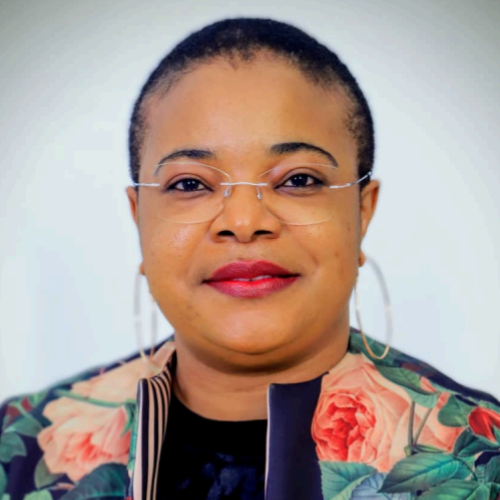
Her Majesty (HM) Ma'a Mafo Ticha Pouokam Mpele VI
President of FICA
Chairperson of the Council of Africa Leadership Diplomacy and Soft Power (UWL)
Chair of the Royal Affairs Foundation (UWL)
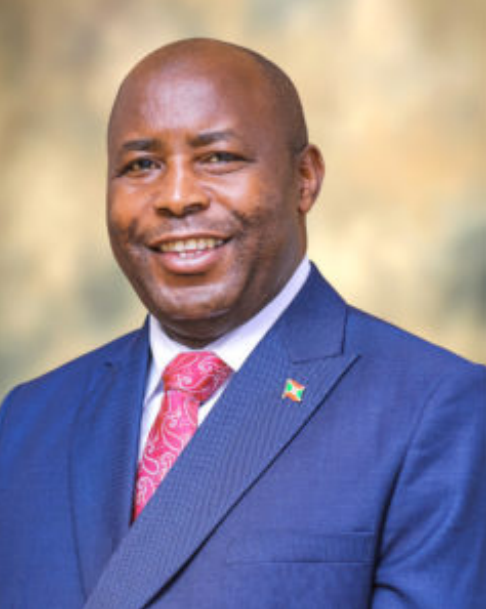
H.E Évariste NDAYISHIMIYE President of Burundi
Chairperson of African Union for the Year 2026-2027 Head of FICA GLOBAL Think tank
H.E wamkele MENE
Secretary General of the African Continental Free Trade Area (AfCFTA)
Head of FICA ECONOMY – TRADE DIPLOMACY
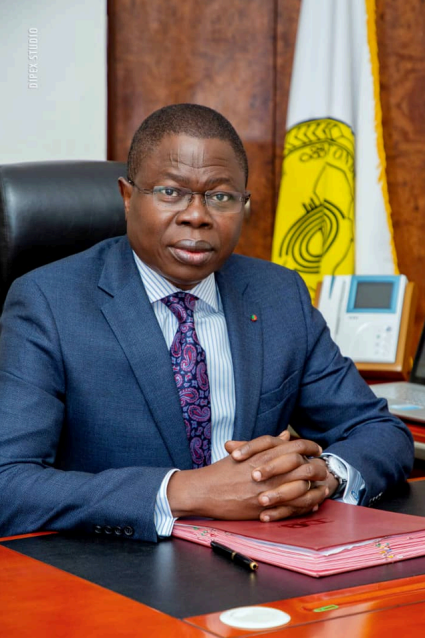
H.E.Dr Ngueto Tiraina YAMBAYE
General Director for African
Guarantee and Economic
Cooperation (FAGACE)
Head of FICA Debt Finance Diplomacy
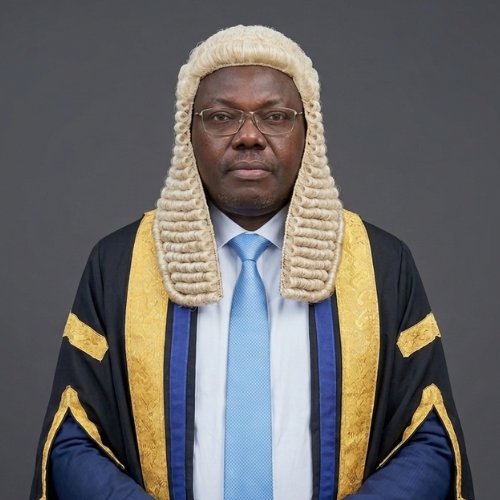
Rt Hon Joseph NTAKIRUTIMANA
President of East Africa Parliament
Head of FICA Diplomacy & Reform
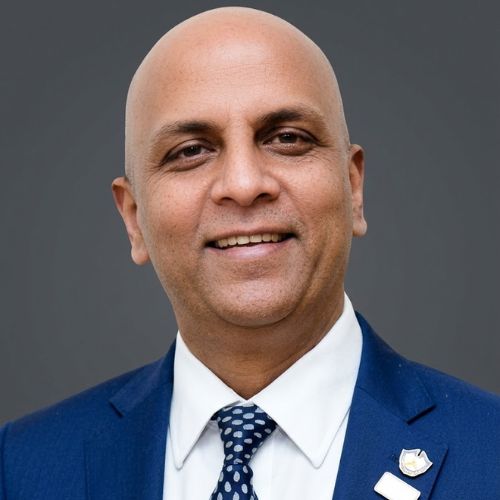
H.E Captain Sunil SARAF
Executive Ambassador of FICA to the Middle East
Head of Defense Strategy and Economic Diplomacy for Africa–Middle East Co-operation
Head of Leadership by Ownership Catalyst for Leaders
Dr. Philipp UZUMA
General Secretariat of FICA
Head of Engineering Services
Madam Irene KABURA
Vice Governor of Central Bank of Burundi
Head of FICA ESG
Daily Ramasia
FICA-Southern Africa
Lety Eposi Endeley
Central Director, International Merkets
Jean Bosco CHENDJOU
Executive Officer
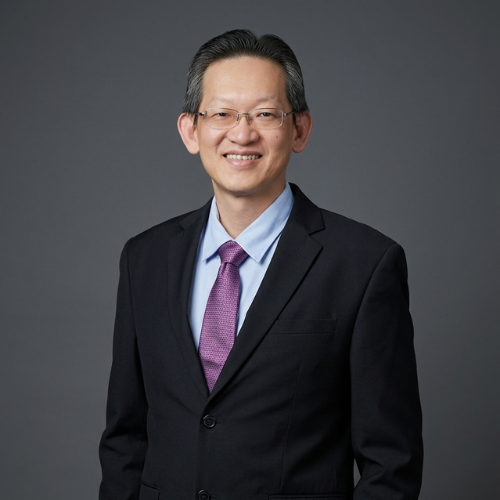
Mr. Desmond TAY
Co-founder of GUUD-Singapore
FICA Head of Informatios & Technology
Girish Gopal
FICA-Debit Finance Specialist